
Metal Injection Molding (MIM)
Complex Metal Parts. Engineered for Scale.
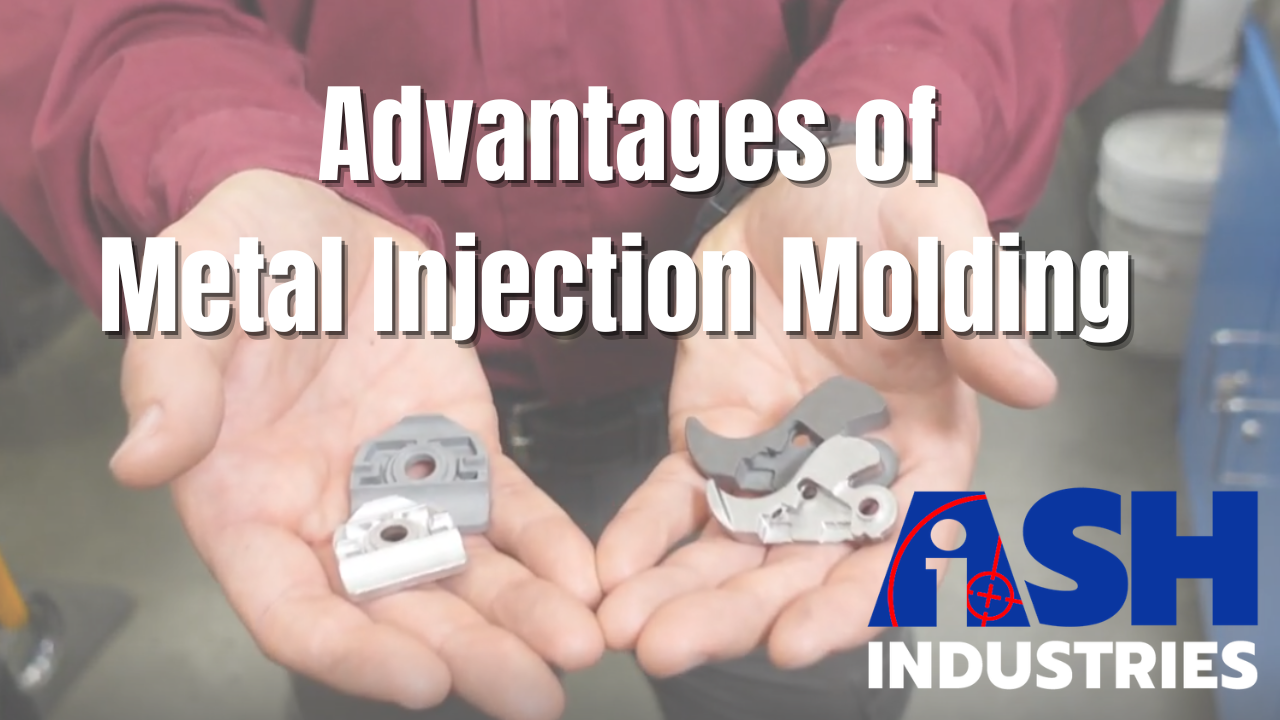
Unlock the advantages of Metal Injection Molding (MIM) with ASH Industries' precision-driven manufacturing expertise. MIM combines the design flexibility and manufacturing speed of plastic injection molding with the strength and performance of metal. This enables the efficient production of highly complex metal components at scale.
Our advanced MIM capabilities deliver strong, repeatable parts with intricate geometries and precise features- often reducing the machining, material waste, and production time associated with traditional manufacturing methods.
Trusted across medical, defense, industrial, consumer, and emerging technology markets, ASH Industries manufactures MIM components for applications including surgical instruments, defense system hardware, industrial mechanisms, detailed consumer products, and more.
Metal Injection Molding (MIM) is a manufacturing process in which fine metal powder is mixed with a binder to form a moldable material. This material is then injected into a mold under high pressure to form the desired shape.
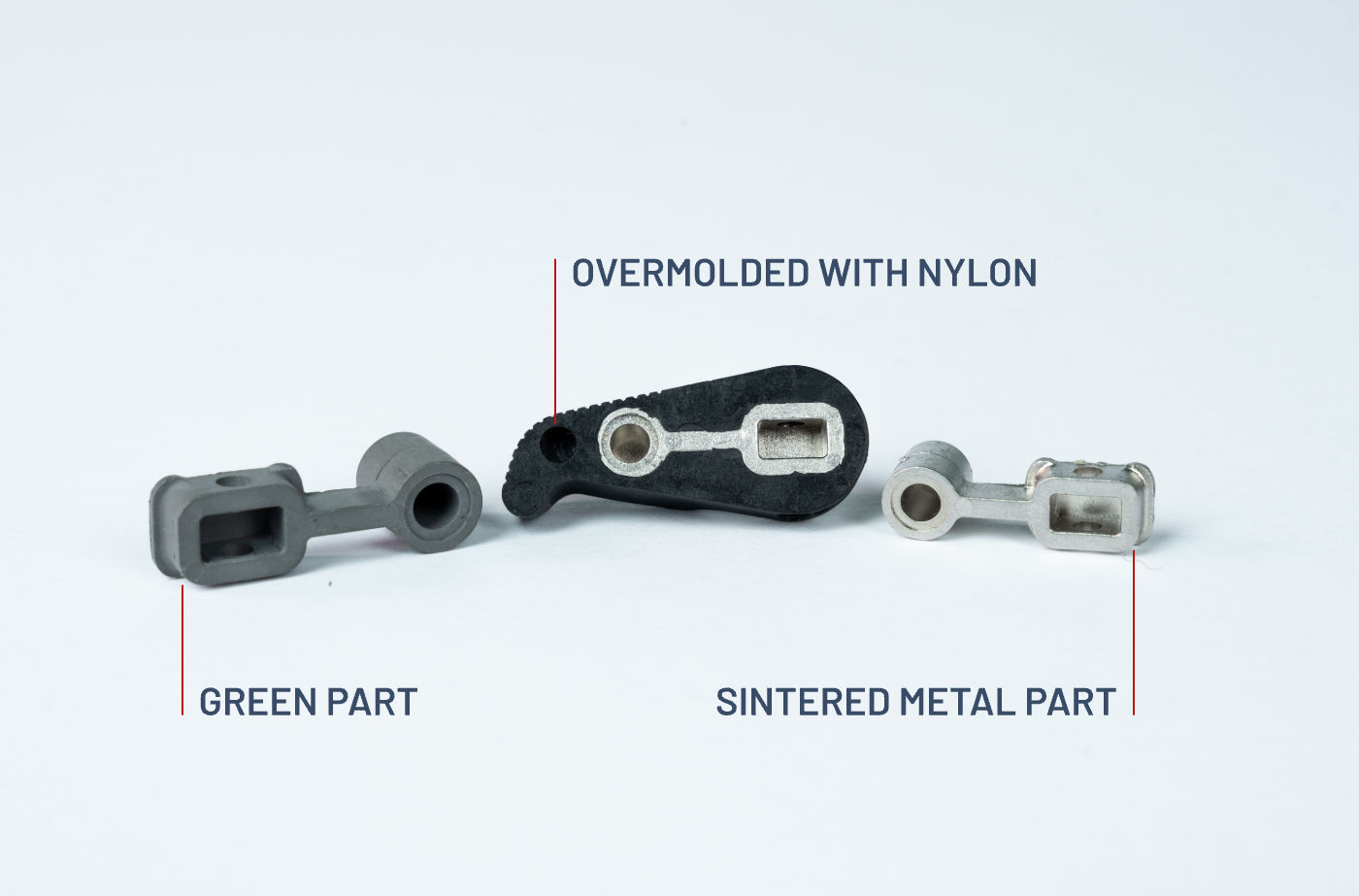
After molding, the part exists in what is known as a "green part", meaning it has been formed but has not yet undergone secondary processing. The binder is then removed through a debinding process, leaving a "brown part" in which the metal structure remains but is still fragile. Finally, the part is sintered at high temperature, causing the metal particles to fuse together into a dense, strong, near-net-shape component.
MIM is an ideal solution for producing complex metal components at high volumes while reducing machining time, material waste, and overall production costs.
Materials
MIM supports a range of high-performance metals, including:
- Stainless Steels: 17-4, 316, S7, & More
- Low Alloy Steels: 4602, 8620, 4140, & More
- Additional specialty alloys, depending on application requirements
These materials are selected based on strength, wear resistance, corrosion resistance, and overall part performance needs.
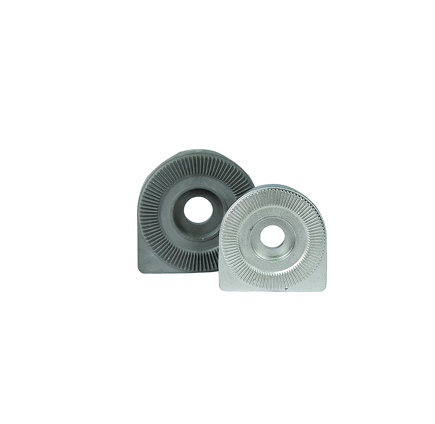
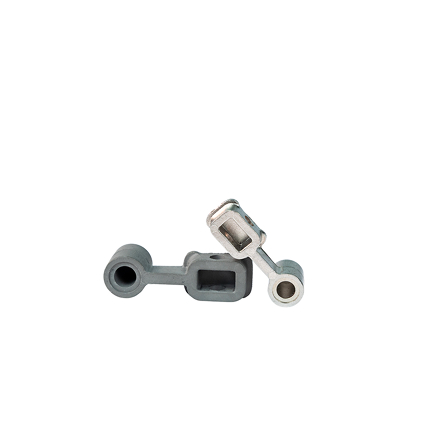
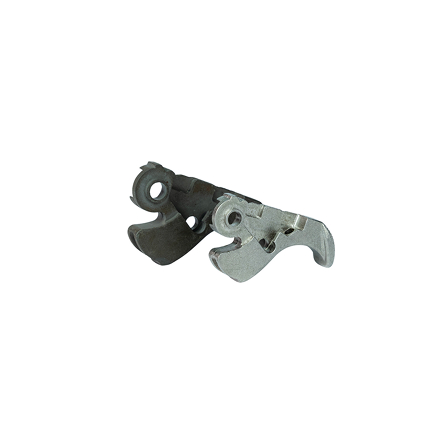
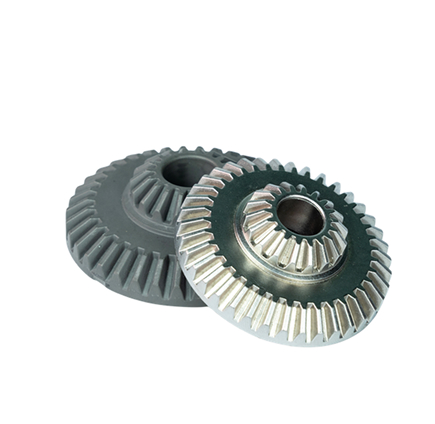
Net Shape?
Metal Injection Molding (MIM) is a manufacturing process that produces complex metal components in near-net shape. Unlike traditional manufacturing methods, which begin with a larger metal blank and rely heavily on machining to achieve the final geometry, MIM produces parts with dimensions extremely close to their final dimensions directly during the molding process. This reduces the amount of material that must be removed during secondary machining, minimizing material waste and making MIM an efficient option for producing complex metal components at scale.
 Net Shape vs. Near-Net Shape
“Net shape" manufacturing refers to producing a part in its final form with little to no secondary processing required. "Near-net shape" means the component is manufactured very close to the final dimensions, requiring only minimal finishing operations as needed.
Predictable Shrinkage for Precision Results
During the sintering process, the binder material is removed, and the metal powder particles fuse together to form a dense, high-strength component. As this occurs, MIM parts typically exhibit predictable shrinkage of approximately 15% to 30%, depending on the material and part geometry. When processed correctly, the result is a nearly fully dense, homogeneous metal part with approximately 95-98% density and no significant porosity.
This shrinkage is carefully engineered into the mold design phase and is predictable based on the original feedstock material composition. By accounting for shrinkage during tooling design, the finished component can consistently achieve the required final dimensions with outstanding accuracy and repeatability.
Benefits of Metal Injection Molding
Complex Metal Parts. Production-Level Precision
Metal Injection Molding (MIM) combines the design freedom of injection molding with the strength and durability of metal, making it an ideal solution for complex, high-performance components.
At ASH Industries, we help customers reduce machining, consolidate assemblies, and efficiently manufacture precision metal parts with exceptional repeatability and consistency.
Design Freedom
MIM enables the production of highly complex geometries that are difficult or costly to achieve through traditional machining.
Features such as:
- Cross-holes
- Angled holes
- Splines
- Side holes
- Undercuts
- Fine grooves and intricate details
- Geometries that would require multiple machining setups or operations
These can all be molded directly into a single near-net-shape component.
By combining multiple features into one part, MIM helps reduce assembly requirements, simplify production, and improve overall manufacturing efficiency.
Exceptional Repeatability
Using precision tooling and tightly controlled processing parameters, MIM delivers consistent, repeatable results from part to part.
This makes the process ideal for applications requiring:
- Tight dimensional control
- Consistent mechanical performance
- Reliable production quality
- Scalable manufacturing
Cost-Effective Production
While MIM is commonly used for medium- to high-volume manufacturing, it can also become highly economical at lower quantities depending on part geometry and machining complexity.
For intricate components that would require significant CNC machining time, MIM may provide cost advantages at production volumes ranging from a few hundred to 1,000 parts.
Many MIM projects also fit well within ASH Industries’ SUPERMOLD Program, allowing customers to bridge prototype and low-volume production with reduced upfront investment.
High Density & Mechanical Strength
When properly processed, MIM components achieve approximately 95-98% density, resulting in a nearly fully dense, homogeneous metal structure with minimal porosity.
This provides:
- Excellent strength
- Durability
- Wear resistance
- Reliable mechanical performance
Minimal Secondary Machining
MIM produces near-net-shape components with complex features molded directly into the part.
As a result, secondary machining operations are often minimized or eliminated entirely, helping reduce:
- Machining time
- Material waste
- Labor costs
- Overall production lead time
Frequently Asked Questions about MIM
What is the difference between metal injection molding and casting?
Metal Injection Molding (MIM) is ideal for producing small, highly detailed components with complex geometries that would be difficult or costly to manufacture using traditional casting methods. Because MIM utilizes an injection molding process, it excels at creating intricate features, tight tolerances, and consistent repeatability in high-volume production.
Die casting, on the other hand, is generally better suited for larger components with simpler geometries. While die casting is highly effective for many applications, it is most commonly used with non-ferrous metals such as aluminum, zinc, and magnesium.
MIM also offers greater material flexibility, supporting a wide range of ferrous and specialty metal alloys while maintaining excellent mechanical properties and dimensional accuracy.
What is the difference between CNC and injection molding metal?
CNC machining and Metal Injection Molding (MIM) are two very different manufacturing processes designed for different production needs.
CNC machining is a subtractive process that removes material from a solid block of metal to create highly precise components. It is ideal for low-volume production, prototypes, and parts requiring extremely tight tolerances or custom modifications.
MIM, on the other hand, is a molding process that forms complex metal components using fine metal powder blended with a binder material. The feedstock is injected into a mold, then debound and sintered to create a dense, high-strength metal part. MIM is especially effective for producing intricate geometries in high volumes with minimal material waste.
While both processes support a variety of metal materials, MIM commonly uses stainless steels and other engineered alloys that perform well during sintering. The result is a cost-effective solution for manufacturing complex, repeatable metal components at scale.
Is metal injection molding cheaper than CNC machining?
In high-volume production environments, Metal Injection Molding (MIM) is often more cost-effective than CNC machining due to its efficiency, scalability, and reduced material waste.
While MIM requires an upfront investment for tooling and mold development, the cost per part decreases significantly as production volumes increase. Once the mold is created, parts can be produced quickly and consistently with minimal secondary operations, making MIM an excellent choice for large production runs.
CNC machining, by comparison, is typically more economical for low-volume production, prototyping, or highly customized components. Because CNC machining removes material from a solid metal block, it generally requires longer cycle times and produces more material waste than MIM.
For complex metal components produced in high quantities, MIM provides a strong balance of precision, repeatability, and long-term cost savings.
Is metal injection molding cheaper than 3D printing?
Yes and no.
Injection molding offers a significantly lower cost per piece than 3D printing can ever achieve, without sacrificing quality, consistency, and more.
However, 3D printing does not require the upfront tooling costs of injection molding, making it ideal for one-off prototypes or low-volume production.
At ASH Industries, we help bring the break-even point down even further with our SUPERMOLD Program — allowing customers to obtain production tooling and parts at less than the cost of many 3D-printed projects.
If you’re moving beyond prototyping and need repeatable, production-quality parts, injection molding may be more affordable sooner than you think.